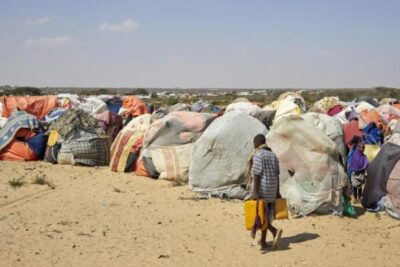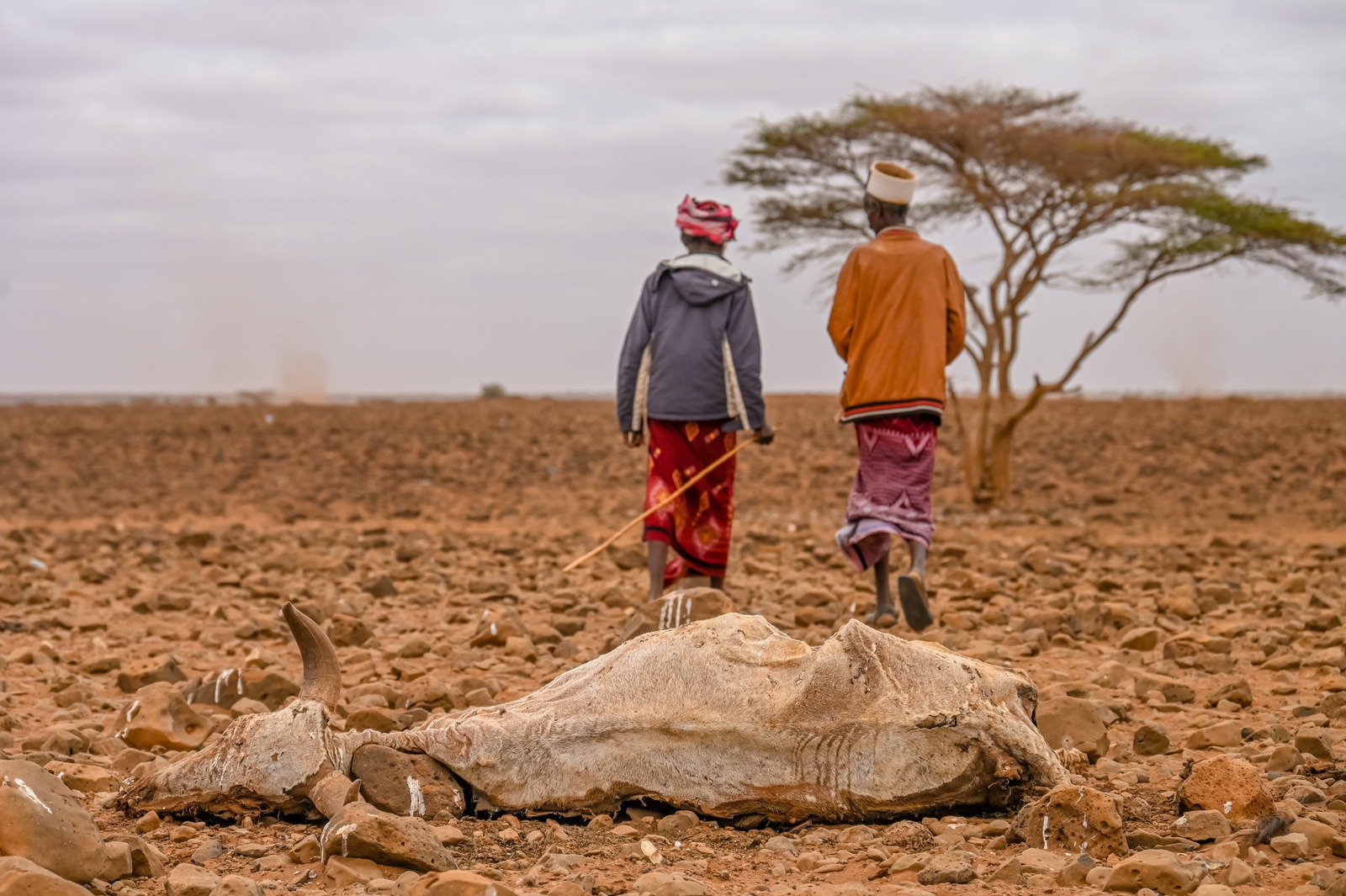
The Horn of Africa is one of the most complex and fragile regions in the world. Stretching from Somalia to Ethiopia, Kenya, Eritrea, and Djibouti, it faces overlapping crises that rarely occur in isolation. Weak governance, recurrent climate shocks, violent conflicts, and forced displacement intersect in ways that reinforce each other, creating a cycle of fragility and human suffering. Policymakers in the region can no longer afford to treat these issues in silos. Instead, they must adopt nexus-focused policies – integrated approaches that link humanitarian, development, peacebuilding, and climate agendas- to achieve durable solutions.
Interlinked Challenges
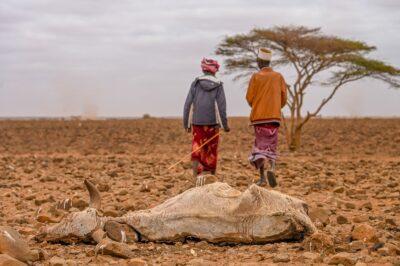
The Horn of Africa has endured some of the worst impacts of climate change in recent memory. Prolonged droughts, interspersed with floods and locust invasions, have devastated livelihoods. But these climate shocks do not unfold in a vacuum- they interact with weak governance systems, limited service delivery, and ongoing conflicts. When governments fail to respond effectively to drought, for example, local grievances intensify, fueling communal violence over scarce resources such as grazing land and water. This, in turn, leads to mass displacement, placing further strain on host communities and overstretched institutions.
By treating climate change purely as an environmental problem, or conflict only as a security issue, policymakers risk ignoring the deeper structural linkages that drive recurring crises. A drought in Somalia is not just a meteorological event- it is a governance failure, a development challenge, a security concern, and a humanitarian crisis all at once.
The Case for a Nexus Approach
A nexus-focused approach recognizes these overlaps and seeks to design policies that address multiple drivers simultaneously. For instance, investment in climate-smart agriculture does more than improve food security- it also reduces resource-based conflicts and strengthens community resilience against displacement. Similarly, strengthening local governance and inclusive decision-making not only improves accountability but also builds trust, enabling communities to better manage disputes and climate shocks collectively.
At the regional level, the Intergovernmental Authority on Development (IGAD) has long championed integrated responses, yet implementation remains patchy. National governments in the Horn should embed the nexus in their policies by ensuring that humanitarian responses are linked to long-term development, that peacebuilding is mainstreamed into climate adaptation, and that displacement is addressed with durable solutions rather than temporary fixes.
Policy Priorities
To operationalize nexus-focused policies, leaders in the Horn of Africa should prioritise:
- Strengthening governance and institutions: Effective state capacity is the backbone of resilience. Investments in transparent, accountable institutions reduce fragility and create an enabling environment for addressing climate and conflict challenges.
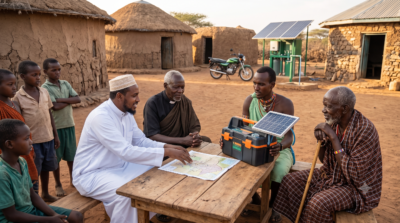
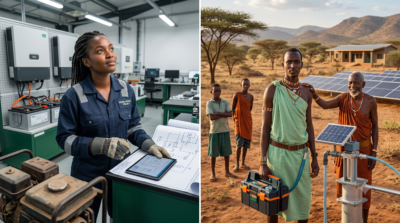
- Scaling up climate adaptation: Policies must prioritize community- driven adaptation- such as water harvesting, drought-resistant crops, and early warning systems- while linking these to conflict prevention strategies.
- Promoting regional cooperation: Climate shocks, migration flows, and conflicts cross borders. Joint approaches through IGAD can help harmonize policies, share data, and mobilize collective resources.
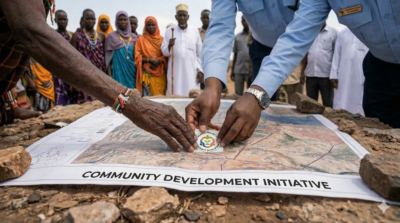
- Integrating peacebuilding and development: Every climate or humanitarian program should include components that foster social cohesion, dialogue, and inclusive governance.
- Focusing on displacement and mobility: Durable solutions require linking humanitarian assistance to livelihoods, education, and governance reforms, ensuring displaced populations are not left in perpetual limbo.
Conclusion
The challenges of the Horn of Africa are too interconnected to be solved in isolation. Pursuing nexus-focused policies offers the best chance to break cycles of fragility, reduce vulnerability, and build resilience. By addressing governance, climate, conflict, and displacement as interwoven threads of the same fabric, policymakers can move the region closer to stability and sustainable development.